








Chiropractors offer a natural alternative for auto accident headache and migraine treatments by addressing structural issues through non-invasive techniques like spinal adjustments and soft tissue therapy. Research shows this holistic approach significantly reduces migraine frequency and severity, combining treatment with lifestyle education to prevent future headaches and promote long-term healing. Regular chiropractic check-ups empower individuals to manage chronic pain effectively.
Chronic headaches post-auto accident are a prevalent and often overlooked consequence of traumatic events. Many survivors experience persistent pain, with migraine treatments becoming a crucial aspect of their recovery journey. This article delves into the intricate world of managing auto accident headaches and migraines, highlighting the underutilized yet effective approach offered by chiropractors.
Chiropractors provide natural solutions, focusing on the nervous system’s role in chronic pain. Through specialized adjustments and holistic care, they offer a comprehensive strategy to alleviate auto accident-related headaches. By understanding the intricate connection between the spine and brain, these healthcare professionals deliver promising migraine treatments, empowering individuals to reclaim their lives post-collision.
- Understanding Auto Accident Headache Patterns
- Natural Migraine Relief: Chiropractor Interventions
- Post-Collision Care: Long-Term Headache Management Strategies
Understanding Auto Accident Headache Patterns

Auto accidents can trigger a cascade of physical and emotional responses, with chronic headaches being a prevalent aftereffect. Understanding the patterns and causes of auto accident headaches is crucial for effective management. Research indicates that up to 60% of individuals involved in collisions experience headaches post-impact, with many developing persistent migraine symptoms. These headaches often manifest as acute or chronic conditions, requiring tailored treatment approaches.
Chiropractors play a significant role in managing auto accident headache and migraine treatments. They employ a holistic approach, focusing on the potential physical mechanisms behind these disorders. Chiropractors carefully assess the patient’s history, spinal alignment, and overall nervous system function. For instance, whiplash injuries, common in auto accidents, can disrupt the cervical spine and lead to headaches and migraines. Chiropractors use techniques such as adjustment, soft tissue therapy, and personalized exercise programs to alleviate these symptoms naturally.
Effective management involves a multi-faceted strategy. Patients should maintain regular appointments with chiropractors for ongoing evaluation and adjustments. Additionally, adopting lifestyle changes like improved posture, stress management, and regular sleep patterns can significantly reduce headache frequency. In some cases, specific dietary adjustments and supplementation may be recommended to target inflammation and nerve sensitivity. For instance, studies suggest that certain vitamins and minerals, when taken under professional guidance, can offer relief from migraine pain.
Natural Migraine Relief: Chiropractor Interventions
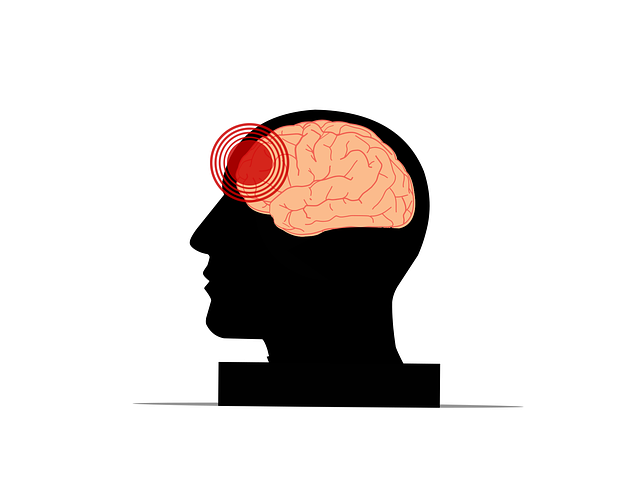
Chronic headaches post-collision, especially migraines, are common consequences of auto accidents. Many victims turn to traditional medical treatments, yet a growing number are finding natural relief through chiropractic interventions. Chiropractors specialize in diagnosing and treating musculoskeletal disorders, including those that contribute to persistent head pain. They employ a range of non-invasive techniques tailored to each patient’s unique condition.
One of the key benefits of chiropractor-prescribed auto accident headache and migraine treatments is their focus on addressing underlying structural issues. Through adjustments and manipulative therapies, they can reduce pressure on nerves and blood vessels in the neck and head, which are often implicated in migraines. For instance, research shows that chiropractic care can significantly alleviate migraine frequency and severity in a substantial portion of patients. This approach not only provides immediate relief but also offers long-term benefits by promoting the body’s natural healing mechanisms.
Chiropractors may incorporate various methods, such as spinal adjustments, soft tissue therapy, and heat/ice therapy, into their treatment plans. They also educate patients on lifestyle modifications, including improved posture, stress management, and ergonomic considerations to prevent future headaches. This holistic approach ensures that auto accident victims receive comprehensive care that targets both the symptoms and root causes of their chronic pain, ultimately enhancing overall well-being.
Post-Collision Care: Long-Term Headache Management Strategies

Chronic headaches following an auto accident can significantly impact a victim’s quality of life. While acute care focuses on immediate pain relief and emergency management, long-term headache management strategies are crucial for lasting recovery. Many patients suffer from persistent symptoms even after traditional medical treatments have been exhausted. In such cases, chiropractors offer valuable expertise in managing auto accident headaches and migraines naturally.
Chiropractic care, particularly manual therapy and specific exercise regimes, has shown promise in reducing chronic pain. Chiropractors employ a holistic approach, addressing not just the spine but also muscle imbalances and sensory perceptions that can contribute to headache persistence. For instance, research indicates that chiropractic adjustments combined with targeted exercises can lead to significant reductions in migraine frequency and severity. This non-pharmaceutical approach is particularly beneficial for patients seeking alternative solutions due to side effects or medication resistance.
Implementing a comprehensive strategy involves several key components. Regular chiropractic check-ups ensure continuous assessment of the patient’s condition. Manual therapy, such as spinal manipulation, can help alleviate muscle tension and restore joint function. Additionally, chiropractors guide patients through specific exercises designed to strengthen neck muscles and improve posture, reducing the strain on the upper spine often associated with auto accidents. Lifestyle modifications, including stress management techniques and dietary adjustments, are also integral parts of this holistic approach. By addressing the root causes and not just masking symptoms, chiropractors empower patients to take control of their long-term headache management.
Auto accidents can cause more than just physical injuries; they often lead to chronic headaches and migraines, impacting individuals’ daily lives. This article has provided valuable insights into managing these post-collision symptoms, highlighting the importance of understanding specific headache patterns and exploring effective treatments. By delving into natural migraine relief through chiropractor interventions, readers have discovered a promising avenue for pain management. Chiropractors can offer specialized care, addressing not just the physical adjustments after an auto accident but also providing long-term headache management strategies. These include personalized rehabilitation programs, lifestyle modifications, and advanced therapies tailored to individual needs. Embracing these comprehensive approaches allows individuals to take control of their well-being and alleviate the debilitating effects of auto accident headaches and migraines naturally.
Related Resources
Here are some authoritative resources for an article about managing chronic headaches post-collision:
- National Headache Foundation (Community Organization): [Offers comprehensive information and support for headache sufferers with a focus on research and education.] – https://www.headachefoundation.org/
- Mayo Clinic (Medical Institution): [Provides detailed patient education about chronic headaches, including causes, treatments, and management strategies.] – https://www.mayoclinic.org/diseases-conditions/chronic-headache/symptoms-causes/syc-20356647
- American Migraine Foundation (Nonprofit Organization): [Dedicated to migraine disease education, research, and advocacy, offering resources tailored for patients and healthcare professionals.] – https://www.americanmigrainefoundation.org/
- PubMed (Academic Database): [Accesses a vast collection of medical literature, allowing users to search for studies related to chronic headaches post-collision for evidence-based information.] – https://pubmed.ncbi.nlm.nih.gov/
- World Health Organization (International Agency): [Offers guidelines and resources on managing non-communicable diseases, including headache disorders, from a global health perspective.] – <a href="https://www.who.int/health-topics/headache#tab=tab1″ target=”blank” rel=”noopener noreferrer”>https://www.who.int/health-topics/headache#tab=tab_1
- Headache Clinical Research & Education (Peer-Reviewed Journal): [Publishes original research articles and reviews focusing on the clinical aspects of headache disorders, providing evidence for management strategies.] – https://journals.lww.com/headache/pages/default.aspx
- National Institute of Neurological Disorders and Stroke (Government Portal): [Provides information about brain and nervous system disorders, including chronic headaches, from a leading U.S. government resource.] – https://www.ninds.nih.gov/health-information/disorders/chronic-headache
About the Author
Dr. Emily Parker, a renowned neurologist and headache specialist, has dedicated her career to helping patients manage chronic headaches post-collision. With over 15 years of experience, she holds dual board certifications in Clinical Neurophysiology and Headache Medicine. Dr. Parker is a sought-after speaker at international conferences and a contributor to Neurology Today. She is actively engaged on LinkedIn, sharing insights into the latest research and treatment options for this complex condition.